
21 mins read
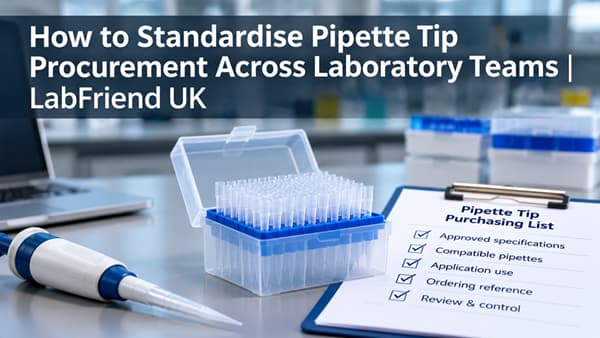
How to Standardise Pipette Tip Procurement Across Laboratory Teams
How to Standardise Pipette Tip Procurement Across Laboratory Teams
Capacity
Specifications
Compare models£4,445.76
Inc. VAT
The Lauda Bath Liquid Therm 250 Can, 20 Litres is a high-performance thermal fluid designed for use in heating and cooling thermostats. Ideal for laboratory and industrial applications, it ensures accurate temperature control and excellent thermal stability. This 20-litre canister provides a convenient and economical solution for high-volume temperature regulation systems.
The Lauda Bath Liquid Therm 250 is the perfect choice for precision thermal control in demanding laboratory environments.

Manufacturer P/N
LZB 322
Part Number
6.310 161
Manufacturer
Lauda
Capacity
20 l

Manufacturer P/N
LZB 122
Part Number
6.227 511
Manufacturer
Lauda
Capacity
5 l

Manufacturer P/N
LZB 222
Part Number
7.621 311
Manufacturer
Lauda
Capacity
10 l
It is a high-performance thermal fluid designed for use in heating and cooling thermostats. Ideal for laboratory and industrial applications, it ensures accurate temperature control and excellent thermal stability. This 20-litre canister provides a convenient and economical solution for high-volume temperature regulation systems.
Yes. It is designed for For heating and cooling thermostats, and offers a volume of 20 litres to support this kind of work.
It has a volume of 20 litres.
It offers therm 250 bath liquid, excellent thermal stability and temperature control, thermally stabilized, for use at temperatures above 200 °C and colourless heat transfer liquid enables visual control during tempering.
21 mins read
How to Standardise Pipette Tip Procurement Across Laboratory Teams
33 mins read
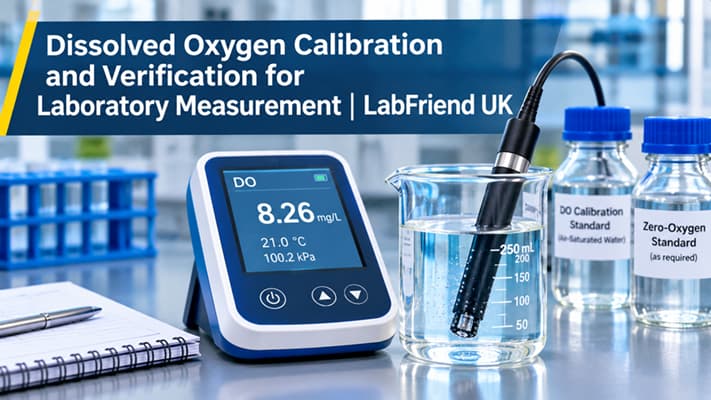
Dissolved Oxygen Calibration and Verification for Laboratory Measurement
27 mins read
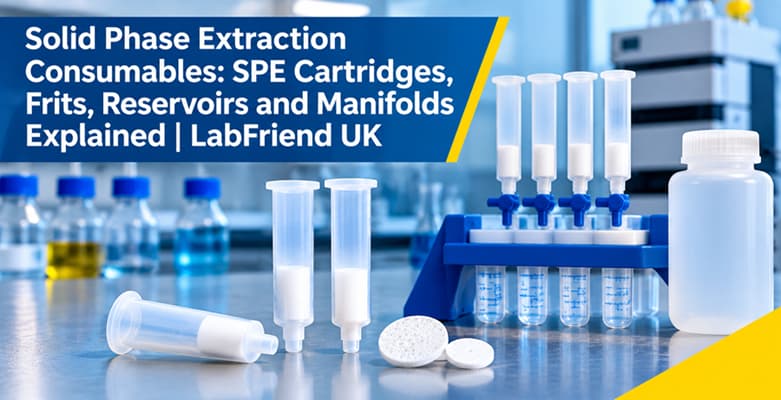
Solid Phase Extraction Consumables: SPE Cartridges, Frits, Reservoirs and Manifolds Explained
25 mins read
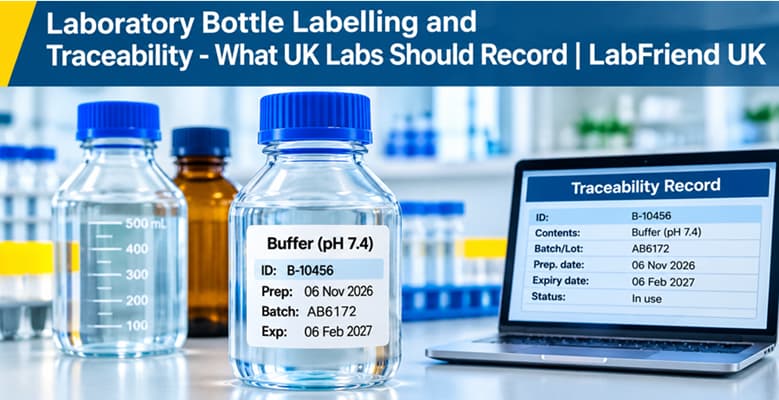
Laboratory Bottle Labelling and Traceability - What UK Labs Should Record
25 mins read
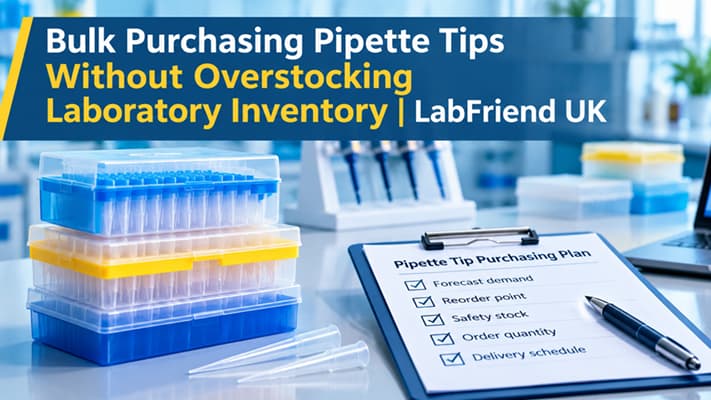
Bulk Purchasing Pipette Tips Without Overstocking Laboratory Inventory