


20 mins read
Troubleshooting Conductivity Measurements: Unstable, Incorrect and Failed Readings
Troubleshooting Conductivity Measurements: Unstable, Incorrect and Failed Readings
Cable length
Type
Specifications
Compare models£350.59
Inc. VAT
The Xylem WTW pH Sensor SenTix 940-3 is a low-maintenance digital pH electrode designed for accurate measurements in various applications. Featuring a plastic shaft and gel electrolyte, it includes a built-in NTC 30 kOhm temperature sensor and a 3-meter fixed cable with a waterproof digital connector, ensuring durability and ease of use.
Ideal for applications in water and environmental analysis, as well as various industrial processes, the SenTix 940-3 ensures reliable and precise pH measurements across a range of conditions.

Manufacturer P/N
103741
Part Number
6.239 769
Manufacturer
Xylem WTW
Cable length
3 m

Manufacturer P/N
103740
Part Number
6.240 824
Manufacturer
Xylem WTW
Cable length
1.5 m
It is a low-maintenance digital pH electrode designed for accurate measurements in various applications. Featuring a plastic shaft and gel electrolyte, it includes a built-in NTC 30 kOhm temperature sensor and a 3-meter fixed cable with a waterproof digital connector, ensuring durability and ease of use.
Yes. It is designed for accurate measurements in various applications, and offers a cable length of 3 meters with waterproof digital connector to support this kind of work.
It has a cable length of 3 meters with waterproof digital connector.
It is made from plastic shaft with gel electrolyte. It also offers integrated NTC 30 kOhm and low-maintenance design with no need for electrolyte refilling.
20 mins read
Troubleshooting Conductivity Measurements: Unstable, Incorrect and Failed Readings
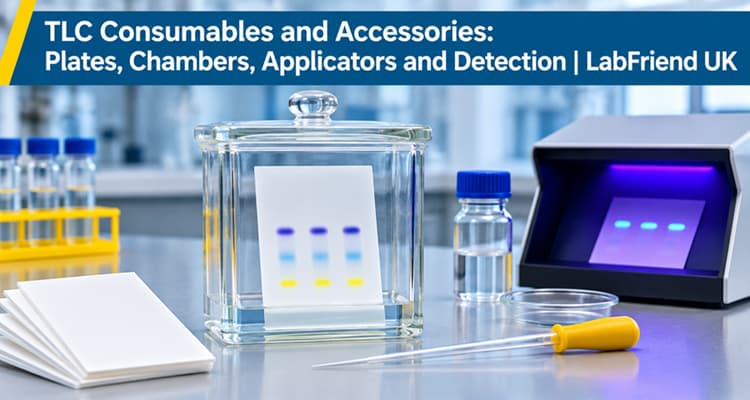
24 mins read
TLC Consumables and Accessories: Plates, Chambers, Applicators and Detection

23 mins read
How Lab Managers Can Standardise Laboratory Bottle Purchasing

33 mins read
The Complete Guide to Laboratory Gloves for UK Laboratories
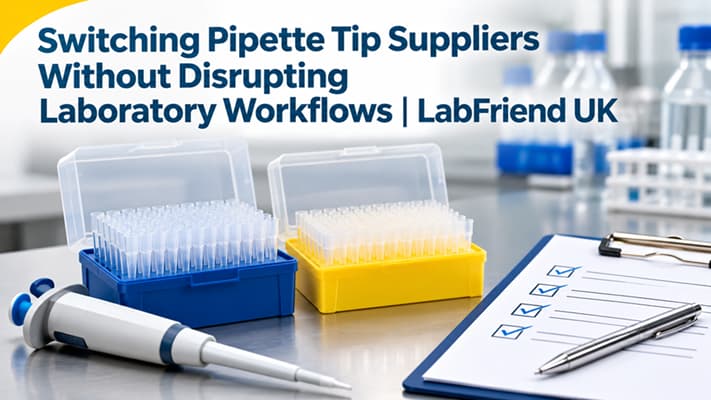
21 mins read
Switching Pipette Tip Suppliers Without Disrupting Laboratory Workflows