

20 mins read
Troubleshooting Conductivity Measurements: Unstable, Incorrect and Failed Readings
Troubleshooting Conductivity Measurements: Unstable, Incorrect and Failed Readings
DN
Plate Ø
Specifications
Compare models£32.95
Inc. VAT
The LLG Desiccator Plate, 140 mm Ø, is made of high-quality porcelain and designed according to DIN 12911 standards. Ideal for use in desiccators, this durable plate ensures reliable performance in moisture-sensitive environments. Perfect for laboratory use where precise drying and moisture control are necessary for chemical or biological processes.
This desiccator plate ensures optimal performance and reliability in moisture control applications within your lab environment.

Manufacturer P/N
9042802
Part Number
9.042 802
Manufacturer
LLG Labware
DN
150

Manufacturer P/N
9042805
Part Number
9.042 805
Manufacturer
LLG Labware
DN
300

Manufacturer P/N
9042803
Part Number
9.042 803
Manufacturer
LLG Labware
DN
200

Manufacturer P/N
9042804
Part Number
9.042 804
Manufacturer
LLG Labware
DN
250

Manufacturer P/N
9042801
Part Number
9.042 801
Manufacturer
LLG Labware
DN
100
It is made of high-quality porcelain and designed according to DIN 12911 standards. Ideal for use in desiccators, this durable plate ensures reliable performance in moisture-sensitive environments. Perfect for laboratory use where precise drying and moisture control are necessary for chemical or biological processes.
Yes. It is designed for desiccator applications in laboratories, and offers a diameter of 140 mm Ø to support this kind of work.
It has a diameter of 140 mm Ø.
It is made from high-quality porcelain. It also offers DIN 12911.
20 mins read
Troubleshooting Conductivity Measurements: Unstable, Incorrect and Failed Readings
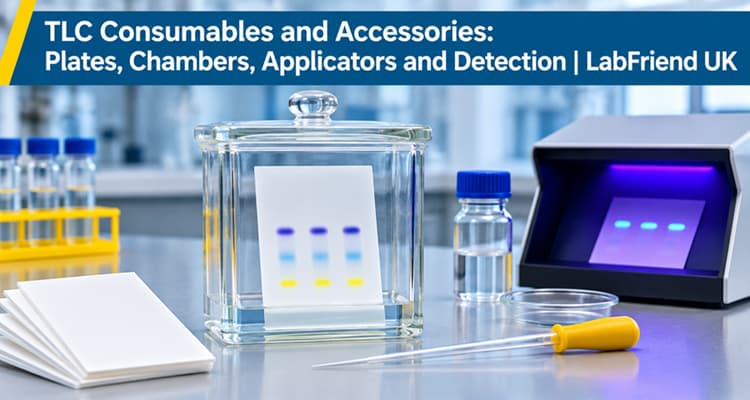
24 mins read
TLC Consumables and Accessories: Plates, Chambers, Applicators and Detection
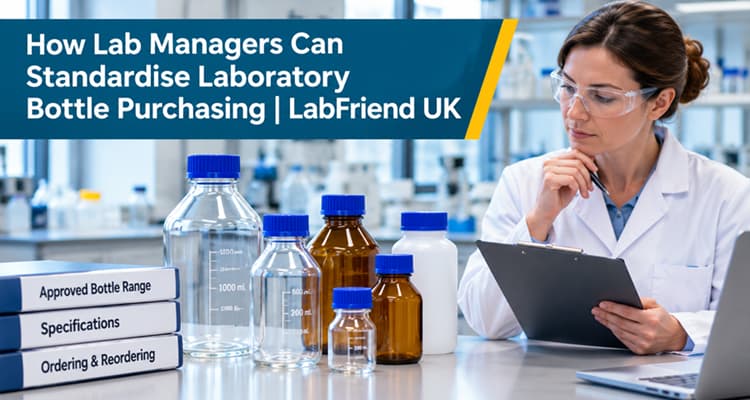
23 mins read
How Lab Managers Can Standardise Laboratory Bottle Purchasing

33 mins read
The Complete Guide to Laboratory Gloves for UK Laboratories
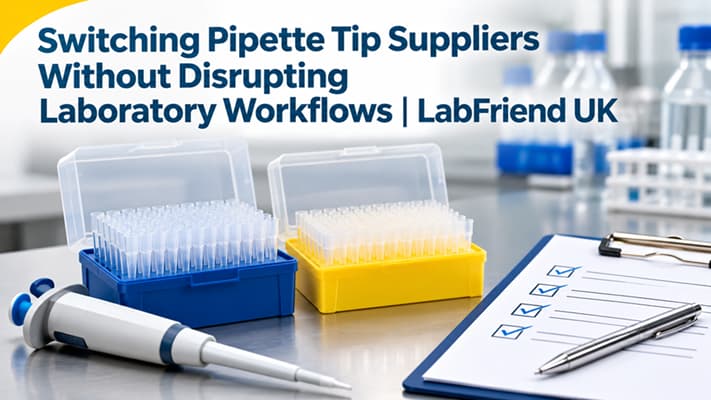
21 mins read
Switching Pipette Tip Suppliers Without Disrupting Laboratory Workflows