


20 mins read
Troubleshooting Conductivity Measurements: Unstable, Incorrect and Failed Readings
Troubleshooting Conductivity Measurements: Unstable, Incorrect and Failed Readings
Volume coolant
Specifications
Compare models£590.55
Inc. VAT
The Lenz-Laborglas Cold Trap without Condensate Drain is designed for high-performance vapor capture in laboratory vacuum systems and distillation setups. With a coolant capacity of 500 ml, it offers reliable thermal control without the need for a condensate drain. The trap is made from borosilicate glass 3.3, ensuring excellent resistance to chemicals and thermal stress.
This Lenz-Laborglas cold trap is an efficient solution for managing vapor condensation, especially in applications where a condensate drain is unnecessary.

£590.55
Inc. VAT
Manufacturer P/N
05355058
Part Number
6.300 813
Manufacturer
Lenz-Laborglas
Volume coolant
500 ml

£414.58
Inc. VAT
Manufacturer P/N
05355046
Part Number
6.243 060
Manufacturer
Lenz-Laborglas
Volume coolant
200 ml
It is designed for high-performance vapor capture in laboratory vacuum systems and distillation setups. With a coolant capacity of 500 ml, it offers reliable thermal control without the need for a condensate drain. The trap is made from borosilicate glass 3.3, ensuring excellent resistance to chemicals and thermal stress.
Yes. It is designed for laboratory vapor trapping in vacuum and distillation processes, and offers a coolant capacity of 500 ml to support this kind of work.
It has a coolant capacity of 500 ml.
It is made from borosilicate glass 3.3 for chemical and thermal resistance. It also offers without condensate drain for simpler applications.
20 mins read
Troubleshooting Conductivity Measurements: Unstable, Incorrect and Failed Readings
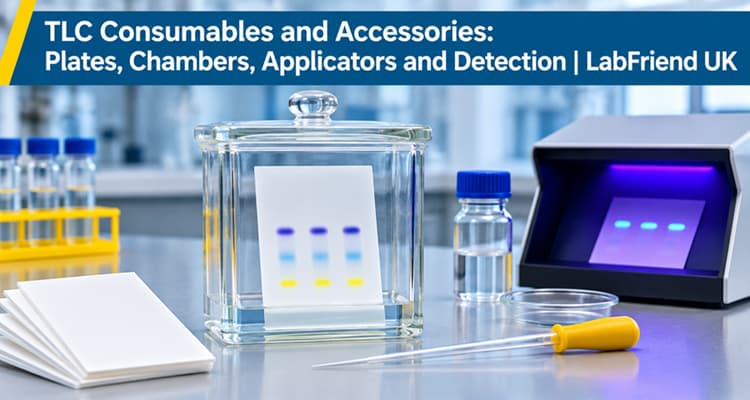
24 mins read
TLC Consumables and Accessories: Plates, Chambers, Applicators and Detection
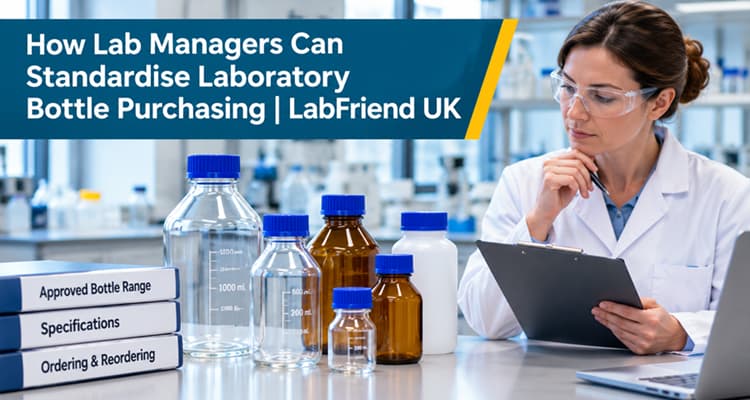
23 mins read
How Lab Managers Can Standardise Laboratory Bottle Purchasing

33 mins read
The Complete Guide to Laboratory Gloves for UK Laboratories
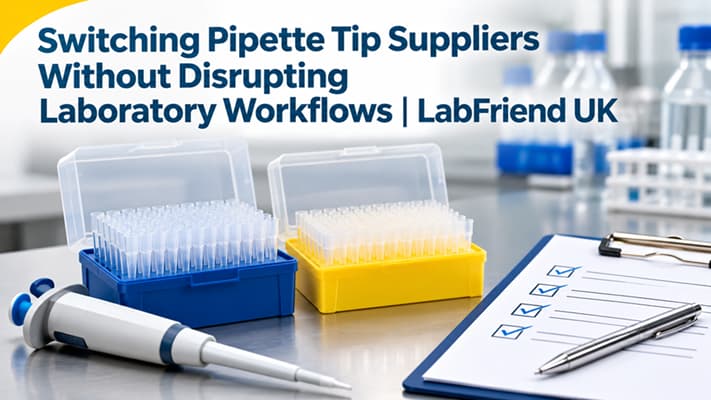
21 mins read
Switching Pipette Tip Suppliers Without Disrupting Laboratory Workflows