

20 mins read
Troubleshooting Conductivity Measurements: Unstable, Incorrect and Failed Readings
Troubleshooting Conductivity Measurements: Unstable, Incorrect and Failed Readings
Capacity
Type of packaging
Specifications
Compare models£248.51
Inc. VAT
The Hirschmann rea-des 2000 is a powerful liquid cleaning and disinfection solution supplied in a 5 ltr. canister. Specially formulated for laboratory use, it provides effective cleaning and antimicrobial action on laboratory instruments and surfaces. Its reliable performance ensures safe and hygienic conditions in any research or clinical setting.
The Hirschmann rea-des 2000 ensures laboratory cleanliness with an efficient and reliable cleaning and disinfection process.

£248.51
Inc. VAT
Manufacturer P/N
9730105
Part Number
6.256 350
Manufacturer
Hirschmann
Capacity
5 l

£57.70
Inc. VAT
Manufacturer P/N
9730101
Part Number
6.078 418
Manufacturer
Hirschmann
Capacity
1 l
It is a powerful liquid cleaning and disinfection solution supplied in a 5 ltr. canister. Specially formulated for laboratory use, it provides effective cleaning and antimicrobial action on laboratory instruments and surfaces. Its reliable performance ensures safe and hygienic conditions in any research or clinical setting.
Yes. It is designed for Liquid cleaning and disinfection for lab equipment and surfaces, and offers a volume of 5 ltr.-canister to support this kind of work.
It has a volume of 5 ltr.-canister.
It offers rea-des 2000, antimicrobial solution designed for laboratory use, cleans and disinfects in a single working operation and bactericide, fungicide, virus inactivating in case of hepatitis B and HIV.
20 mins read
Troubleshooting Conductivity Measurements: Unstable, Incorrect and Failed Readings
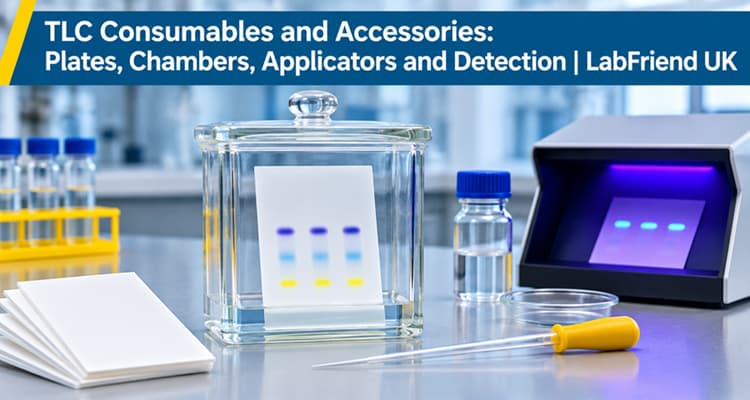
24 mins read
TLC Consumables and Accessories: Plates, Chambers, Applicators and Detection
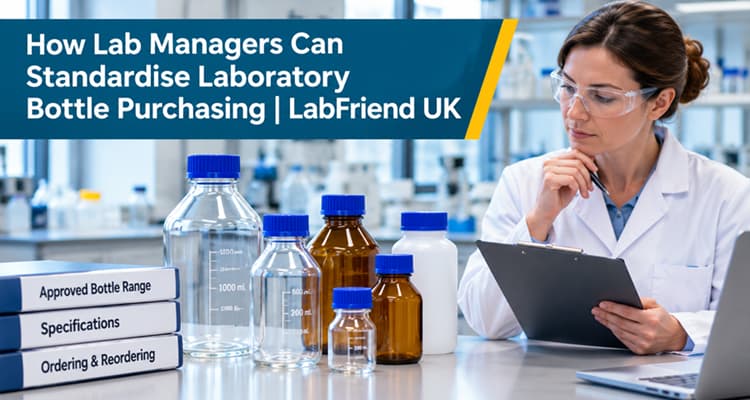
23 mins read
How Lab Managers Can Standardise Laboratory Bottle Purchasing

33 mins read
The Complete Guide to Laboratory Gloves for UK Laboratories
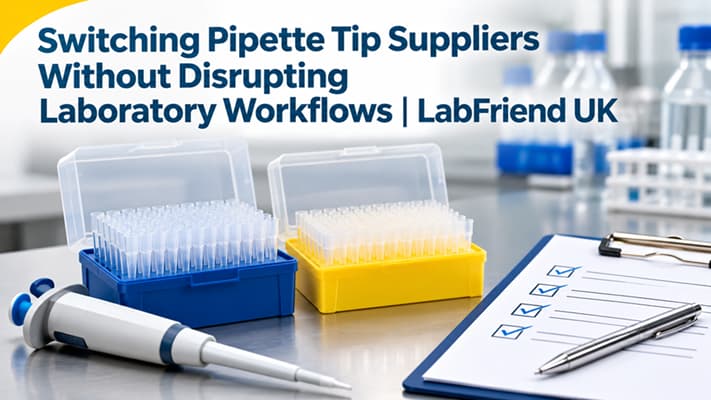
21 mins read
Switching Pipette Tip Suppliers Without Disrupting Laboratory Workflows