


20 mins read
Troubleshooting Conductivity Measurements: Unstable, Incorrect and Failed Readings
Troubleshooting Conductivity Measurements: Unstable, Incorrect and Failed Readings
Capacity
Int. width
Type of cuvette
Specifications
Compare modelsAlternative in-stock items
£111.94
Inc. VAT
The Hellma Semi-Micro Cuvette 6040-UV is crafted from premium SUPRASIL quartz glass, offering exceptional optical clarity and chemical resistance. With a 10 mm path length and a chamber volume of 1,400 µL, this cuvette is ideal for precise spectroscopic measurements across a broad wavelength range of 260 to 2,500 nm.
This semi-micro cuvette is designed for laboratories requiring high-precision UV/Vis spectroscopy. Its superior construction ensures reliable and accurate analytical results.

£111.94
Inc. VAT
Manufacturer P/N
6040-UV-10-531
Part Number
9.144 361
Manufacturer
Hellma
Capacity
1400 µl

£89.13
Inc. VAT
Manufacturer P/N
6030-UV-10-531
Part Number
9.144 301
Manufacturer
Hellma
Capacity
3500 µl
It is crafted from premium SUPRASIL quartz glass, offering exceptional optical clarity and chemical resistance. With a 10 mm path length and a chamber volume of 1,400 µL, this cuvette is ideal for precise spectroscopic measurements across a broad wavelength range of 260 to 2,500 nm.
Yes. It is designed for spectrophotometric analysis and precise optical measurements, and offers a path length of 10 mm (±0.01 mm) and a capacity of 1,400 µL to support this kind of work.
It has a path length of 10 mm (±0.01 mm), a capacity of 1,400 µL and a wavelength range of 260 to 2,500 nm.
It is made from SUPRASIL Quartz Glass. It also offers two polished windows; without lid.
20 mins read
Troubleshooting Conductivity Measurements: Unstable, Incorrect and Failed Readings
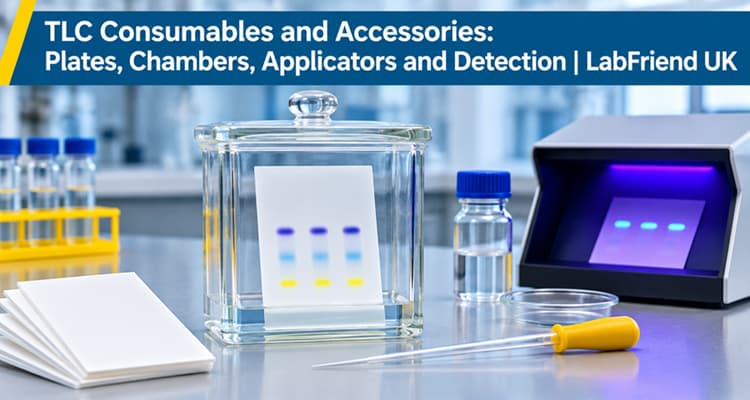
24 mins read
TLC Consumables and Accessories: Plates, Chambers, Applicators and Detection
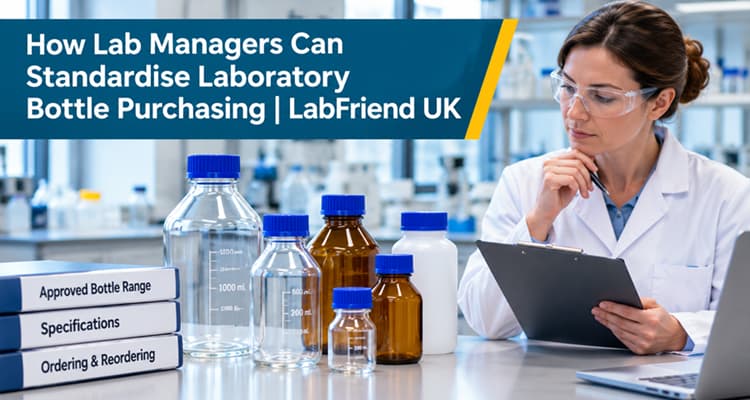
23 mins read
How Lab Managers Can Standardise Laboratory Bottle Purchasing

33 mins read
The Complete Guide to Laboratory Gloves for UK Laboratories
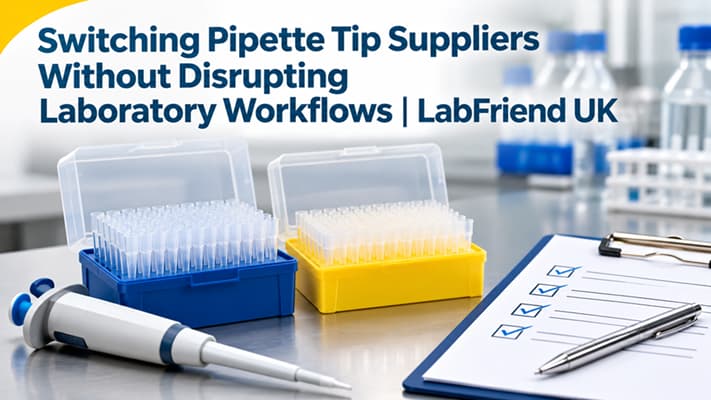
21 mins read
Switching Pipette Tip Suppliers Without Disrupting Laboratory Workflows