

20 mins read
Troubleshooting Conductivity Measurements: Unstable, Incorrect and Failed Readings
Troubleshooting Conductivity Measurements: Unstable, Incorrect and Failed Readings
Ø
Dimensions (ØxH)
Height
Nominal capacity
Specifications
Compare models£64.54
Inc. VAT
The Haldenwanger Casseroles, Porcelain, with a 220 ml capacity and 100 mm diameter, are ideal for small-scale laboratory applications such as heating, evaporating, or holding chemical solutions. Manufactured from high-quality porcelain, they ensure excellent thermal resistance and chemical durability.
Haldenwanger porcelain casseroles are reliable tools for precise lab work requiring consistent thermal performance and chemical resistance.

Manufacturer P/N
17/0
Part Number
9.140 115
Manufacturer
Haldenwanger
Ø
102 mm

Manufacturer P/N
17/000
Part Number
9.140 114
Manufacturer
Haldenwanger
Ø
80 mm

Manufacturer P/N
17/4/0
Part Number
9.140 113
Manufacturer
Haldenwanger
Ø
63 mm

Manufacturer P/N
17/4
Part Number
9.140 118
Manufacturer
Haldenwanger
Ø
160 mm

Manufacturer P/N
17/2
Part Number
9.140 116
Manufacturer
Haldenwanger
Ø
127 mm
It are ideal for small-scale laboratory applications such as heating, evaporating, or holding chemical solutions. Manufactured from high-quality porcelain, they ensure excellent thermal resistance and chemical durability.
Yes. It is designed for heating and evaporation in laboratory settings, and offers a capacity of 220 ml and a diameter of 100 mm to support this kind of work.
It has a capacity of 220 ml and a diameter of 100 mm.
It is made from high-grade porcelain. It also offers designed for heating and evaporation in laboratory settings.
20 mins read
Troubleshooting Conductivity Measurements: Unstable, Incorrect and Failed Readings
24 mins read
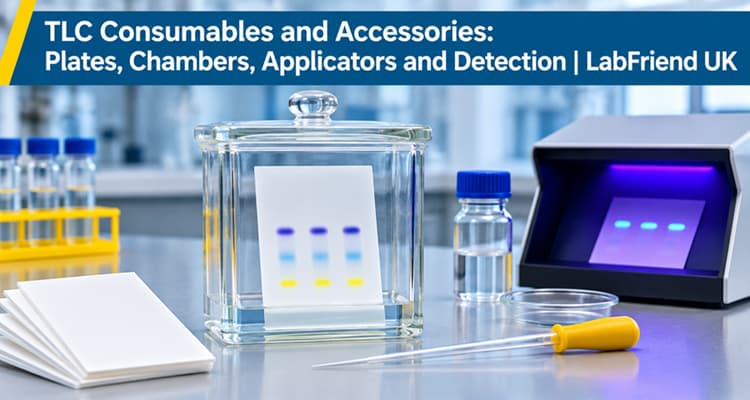
TLC Consumables and Accessories: Plates, Chambers, Applicators and Detection
23 mins read
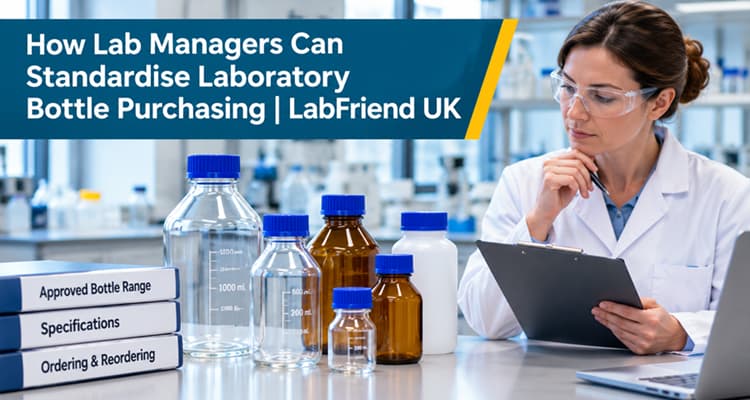
How Lab Managers Can Standardise Laboratory Bottle Purchasing

33 mins read
The Complete Guide to Laboratory Gloves for UK Laboratories
21 mins read
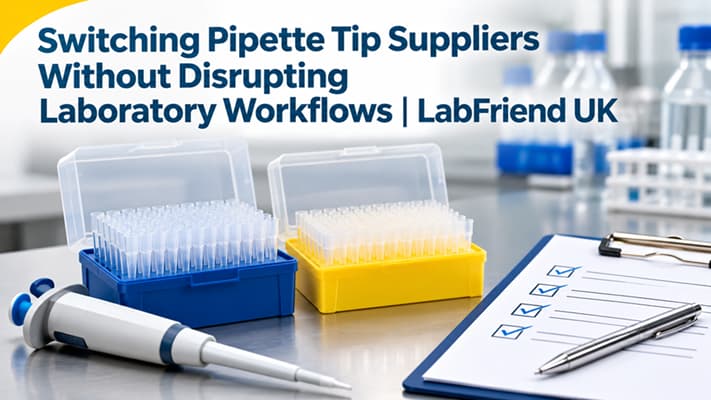
Switching Pipette Tip Suppliers Without Disrupting Laboratory Workflows