


20 mins read
Troubleshooting Conductivity Measurements: Unstable, Incorrect and Failed Readings
Troubleshooting Conductivity Measurements: Unstable, Incorrect and Failed Readings
The BRAND Waste Bags 300 x 200 mm, PP are designed for the safe and efficient collection of used laboratory disposables. Constructed from high-quality polypropylene (PP), these transparent bags are durable and autoclavable up to 121°C, allowing for safe sterilization and disposal of laboratory waste. Each pack contains 100 bags, providing a practical and economical waste management solution for laboratories.
Note: Do not place sharp objects such as needles inside the bags to avoid injury. Bags must remain open during sterilization. For added convenience, a compatible waste bag stand is available separately.
The BRAND Waste Bags 300 x 200 mm offer a reliable and hygienic solution for laboratory waste disposal, ensuring safety and efficiency in any laboratory setting.
It are designed for the safe and efficient collection of used laboratory disposables. Constructed from high-quality polypropylene (PP), these transparent bags are durable and autoclavable up to 121°C, allowing for safe sterilization and disposal of laboratory waste. Each pack contains 100 bags, providing a practical and economical waste management solution for laboratories.
Yes. It is designed for collecting and discarding used laboratory disposables, and offers dimensions of 300 mm (H) × 200 mm (W) to support this kind of work.
It has dimensions of 300 mm (H) × 200 mm (W).
It is made from polypropylene (PP) for durability and heat resistance. It also offers transparent, yes, up to 121°C and pack of 100.
20 mins read
Troubleshooting Conductivity Measurements: Unstable, Incorrect and Failed Readings
24 mins read
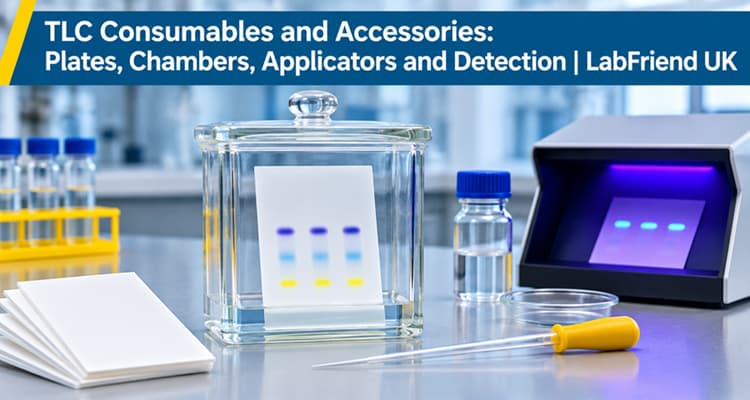
TLC Consumables and Accessories: Plates, Chambers, Applicators and Detection
23 mins read
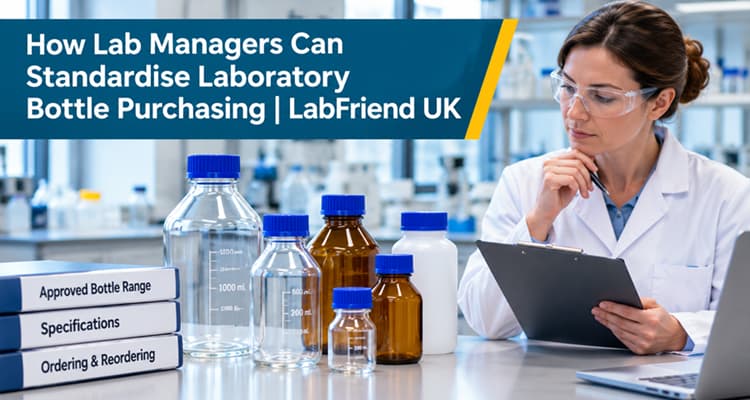
How Lab Managers Can Standardise Laboratory Bottle Purchasing

33 mins read
The Complete Guide to Laboratory Gloves for UK Laboratories
21 mins read
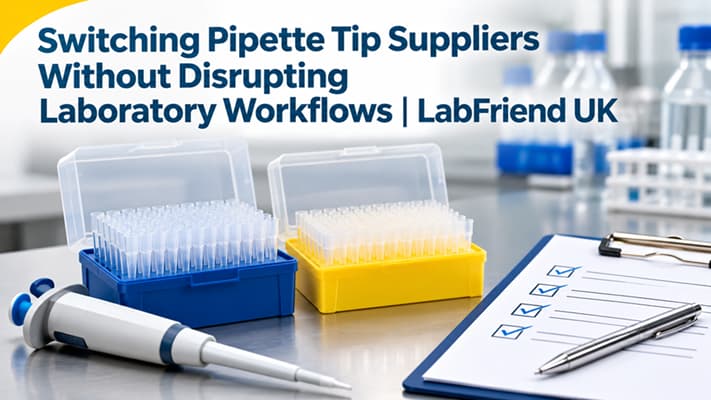
Switching Pipette Tip Suppliers Without Disrupting Laboratory Workflows